
Mold can develop in homes, commercial buildings, and other indoor environments when moisture is present. Water leaks, plumbing failures, flooding, humidity, and ventilation issues can create conditions that allow mold growth to occur behind walls, beneath flooring, within HVAC systems, and in other concealed areas
EXCELLENTTrustindex verifies that the original source of the review is Google. Even though I contacted with short notice, they were able to accommodate us without a problem. The turnaround time at the lab was remarkable, and the inspector was very meticulous. Very likely to use again.Posted on GoogleTrustindex verifies that the original source of the review is Google. Our contractor was in dire need of their pre-renovation study. We were able to organise our project in a safe and effective manner thanks to the report's comprehensive and expert analysis. Very pleased.Posted on GoogleTrustindex verifies that the original source of the review is Google. In my experience, the inspector ranks among the most competent craftsmen I've ever worked with. Respectful of our house, explained everything properly and report available same day. Great service.Posted on GoogleTrustindex verifies that the original source of the review is Google. Crawl space insulation turned out to be one of the best upgrades for the house. Temperature stays stable and energy bills dropped slightly as well. The crew worked efficiently without creating any mess.Posted on GoogleTrustindex verifies that the original source of the review is Google. Always wearing the appropriate safety gear, the technician was careful not to damage our property. Seeing such professionalism is quite comforting. Accuracy was perfect.Posted on GoogleTrustindex verifies that the original source of the review is Google. We needed urgent testing before a renovation project. They fit us in within 48 hours and delivered the results quickly. Professional, reliable, and great value for money.Posted on GoogleTrustindex verifies that the original source of the review is Google. For our building lease extension, we had to get an asbestos survey. It was handled properly and smoothly by the team. Our owner didn't come up with any problems with their report.Posted on GoogleTrustindex verifies that the original source of the review is Google. This testing service is the best I've used in all my years of using them. Everyone was punctual, the online scheduling was simple, and the lab results were ready ahead of schedule.Posted on GoogleTrustindex verifies that the original source of the review is Google. As a letting agent, I use this company for all my pre-tenancy checks. They're reliable, thorough, and my clients are always happy with the service. A trusted partner for us.Posted on GoogleTrustindex verifies that the original source of the review is Google. Fair pricing, clear communication, and a well-written report — what more could you ask for? The inspector was professional throughout and offered helpful advice at the end.Verified by TrustindexTrustindex verified badge is the Universal Symbol of Trust. Only the greatest companies can get the verified badge who has a review score above 4.5, based on customer reviews over the past 12 months. Read more
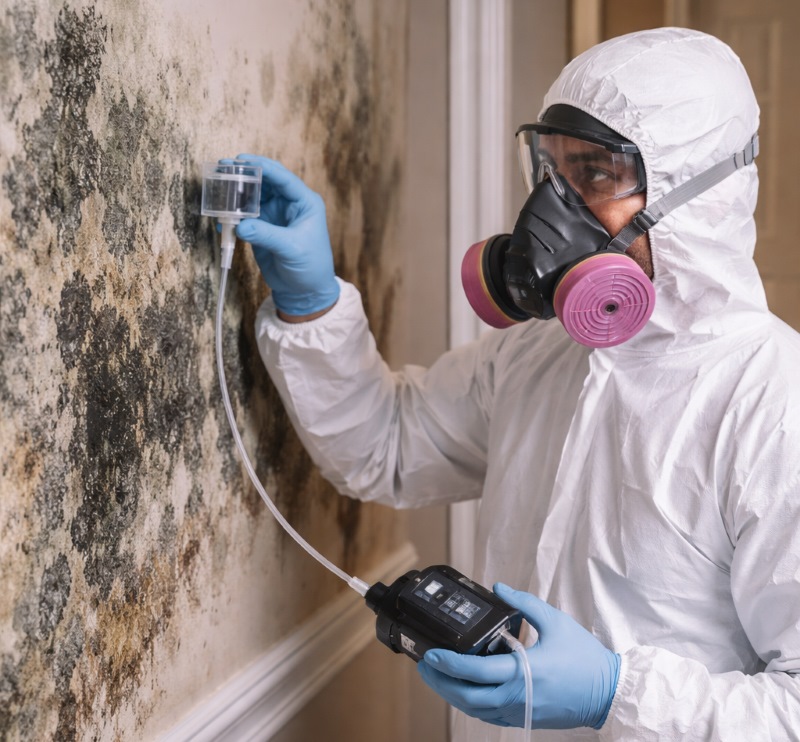
Mold is not always visible and may develop in concealed spaces where moisture is present. Professional testing can help identify potential mold concerns, document environmental conditions, and provide information needed for remediation planning, property transactions, insurance claims, and indoor environmental assessments.
Our mold inspection and testing services can help:
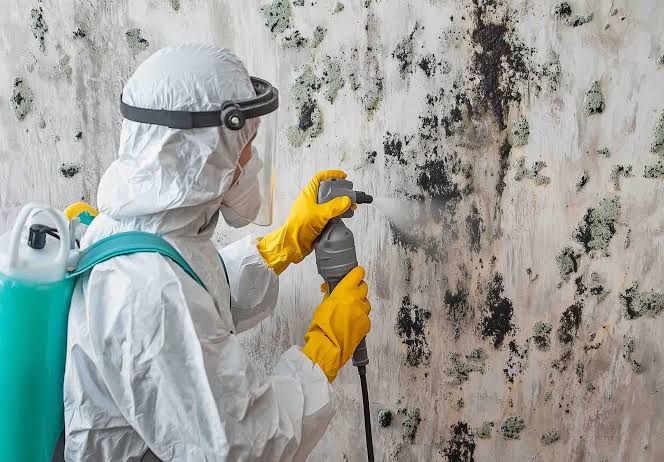
The mold inspection and testing services provided include; visual mold inspection, air sample testing, surface sample testing, moisture testing, post-remediation verification, and laboratory analysis. Accessible spaces are examined for evidence of mold growth, water damage, moisture intrusion, and any conditions that are contributing to mold growth. Air and surface samples can be taken to test levels of mold spores in the air and on building materials, surfaces, etc. Leaks, flooding, condensation, and high humidity areas are inspected to attempt to determine the source of the moisture. Samples collected are tested by accredited laboratories, and reports that detail observations, test results, locations of samples and testing performed, along with environmental conditions, will be issued.
We can conduct an asbestos inspection of office buildings, warehouses, schools, medical facilities, stores, industrial sites, and apartment complexes and assist property owners, buyers, investors and lenders by conducting a comprehensive survey as part of their due diligence.
Environmental testing needs can arise at any time. That’s why our team is available 24 hours a day, 7 days a week to provide professional testing, inspections, sampling, and assessment services. Whether you need asbestos testing, mold inspections, water testing, lead analysis, or environmental consulting, we’re ready to deliver timely service and reliable results whenever it’s convenient for you.
At Red Leaf Environmental, we follow federal, state, and industry standards to deliver accurate testing, reliable results, and peace of mind.
Advanced lab testing for trace metals and contaminants using ICP-MS technology.